The Impossible Museum
Six interactive rooms in the browser, plus one room that grows typed text into a 3D sculpture. No login or install; the audio is synthesized in code and the imagery is AI-generated.
Available in English, 繁體中文, 简体中文 and 日本語. Choose your language from the top of any page.
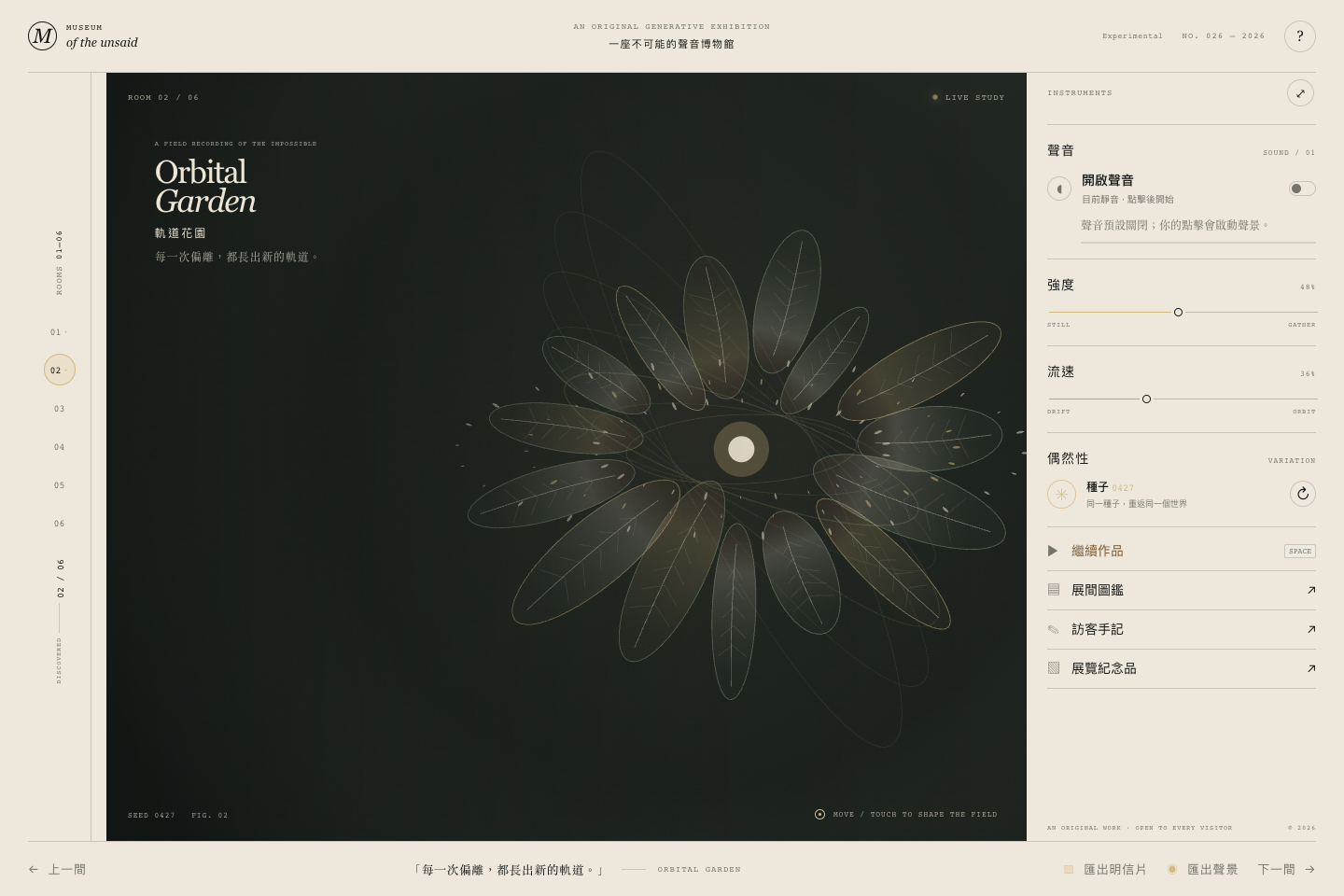
Six rooms. Sound you can step into.
Six interactive rooms that respond to your touch. A seventh room grows typed text into a 3D sculpture. Take a postcard home, or browse the soundtrack, films and exhibition booklet.
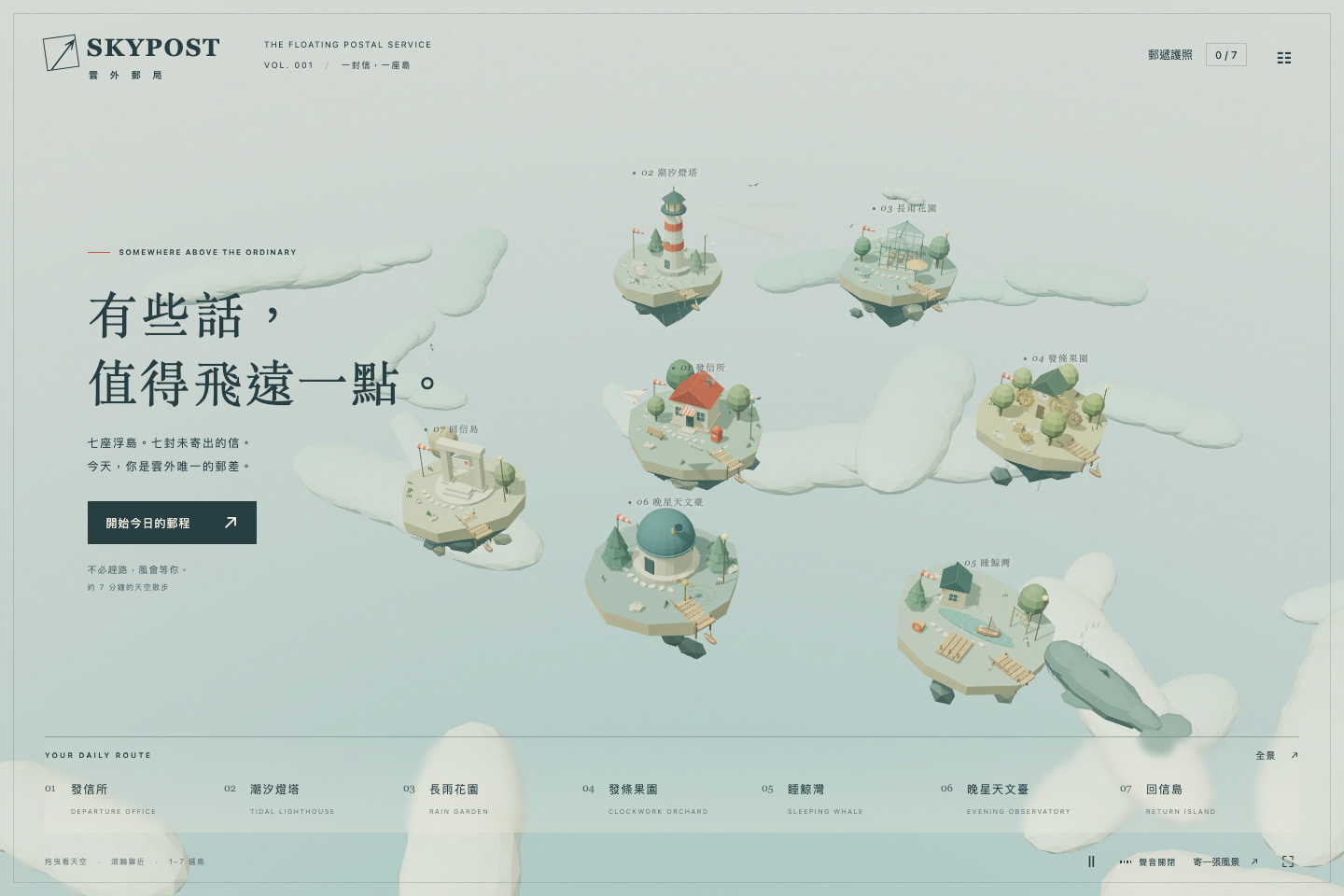
Seven floating islands. A paper plane. A reply card.
Pilot a paper plane across seven floating islands, send seven letters, collect seven postmarks. A reply card at the end lets you draw your own.
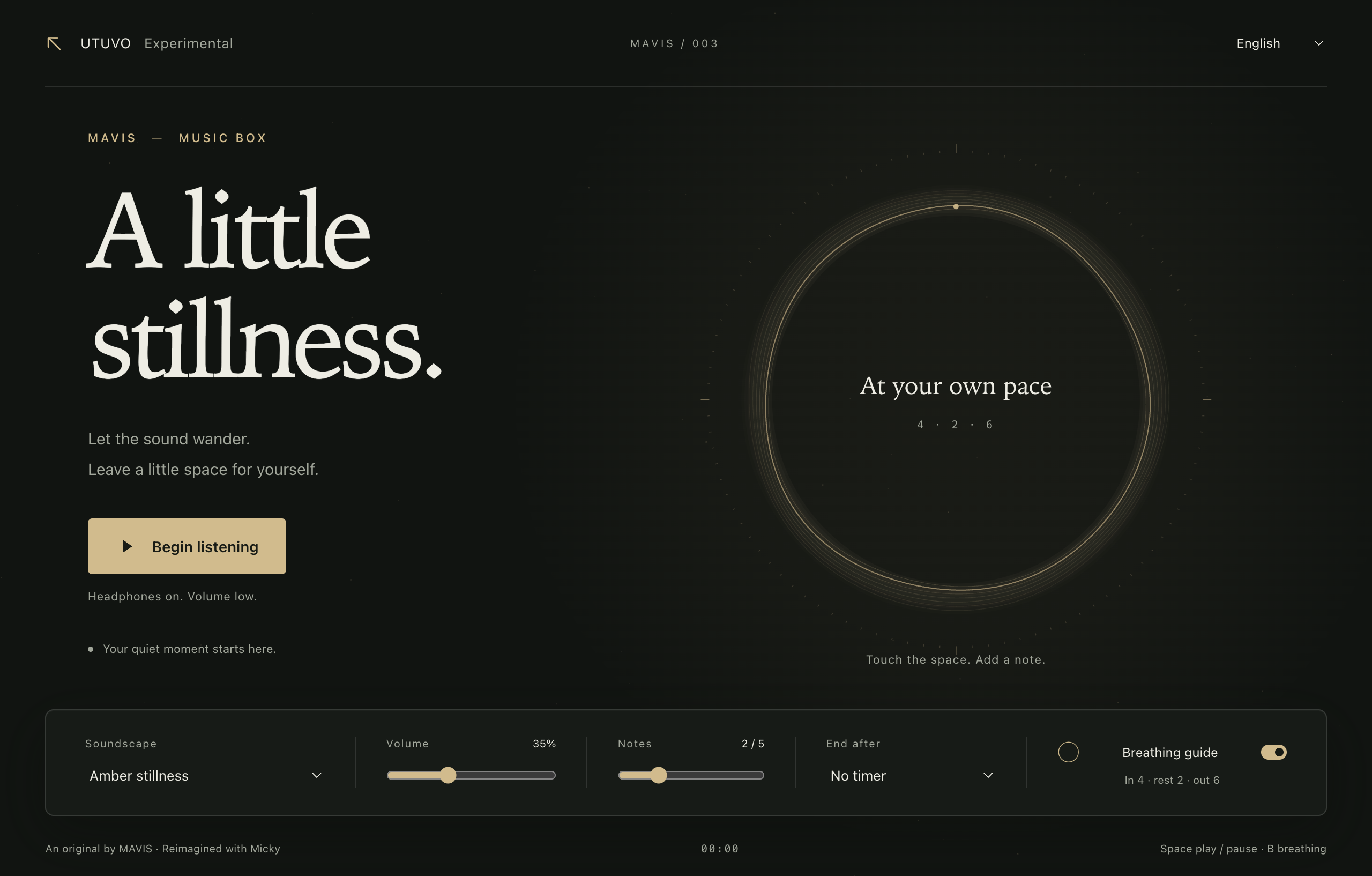
A little sound. A little stillness.
Let singing bowls play on their own, or touch the screen to add a note. Three soundscapes, a breathing guide, and a timer for a quiet moment of your own.
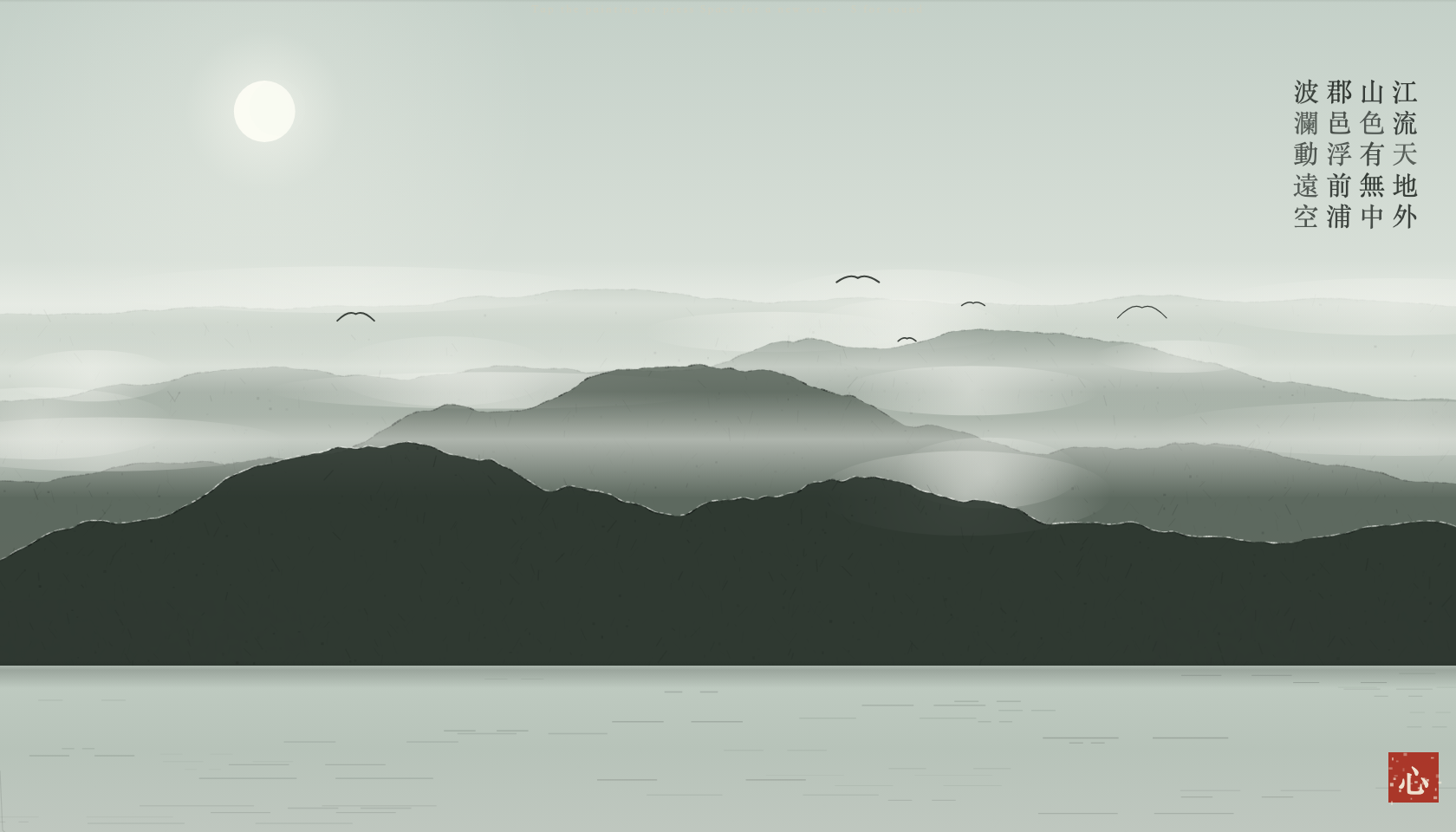
Four ink-wash works that paint themselves.
Mountains, a koi pond, a studio scroll and a dreaming scroll: each is seeded and generated in your browser, with an ambient soundtrack: a generated bed for each mood, and plucked notes synthesized live as you watch. Sound stays off until you switch it on.
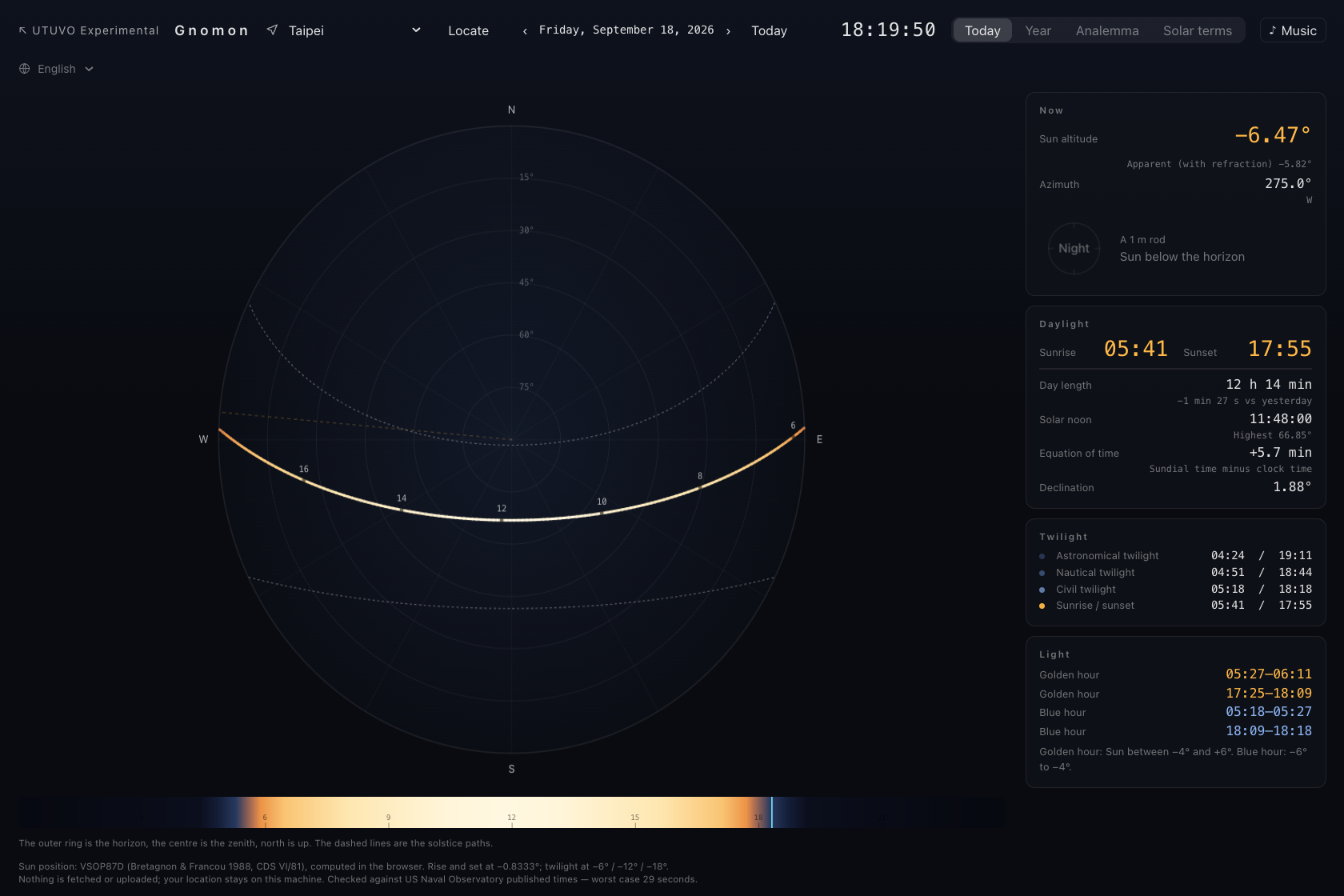
A year of light, from one place.
Pick a place and watch a whole year of sunlight: sunrise and sunset, twilight, the sun’s path across the sky, the analemma and the 24 solar terms.
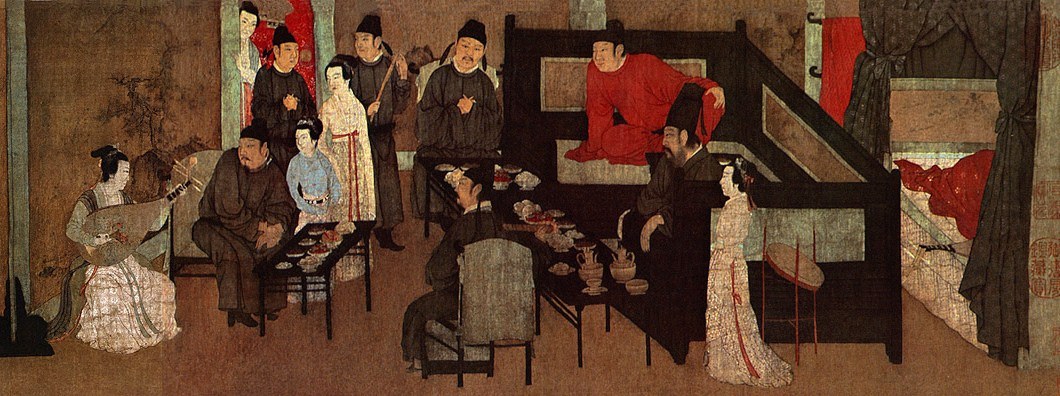
Five scenes. One night banquet.
Step into The Night Revels of Han Xizai. Move through the handscroll and the figures begin to stir; what you see is where you hear it.
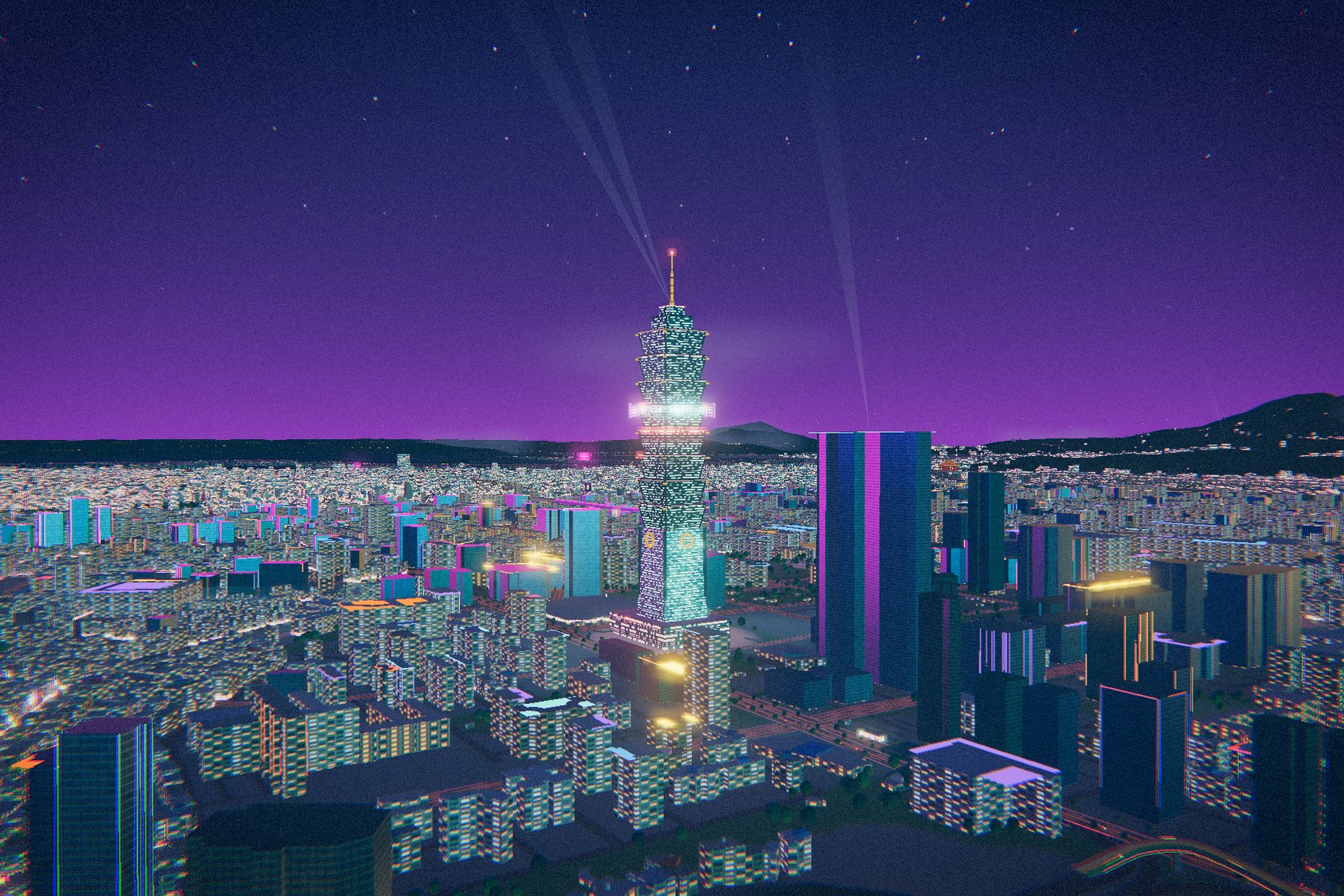
Taipei, one to one. After dark.
All twelve districts of Taipei rebuilt from open data: 95,000 buildings, stacked expressways, the elevated MRT and the city’s landmarks, then lit like a neon night. Fly over the basin, ride the Wenhu Line, step into a night market.
Micky and AI built these works together, from the writing and visuals to the interactive worlds you can step into.
The Museum’s rooms and SKYPOST’s letters were written for their worlds. Sound is synthesized in code. These two journeys use AI-generated illustrations; MAVIS and the four INK works draw their light, ripples and landscapes directly in the browser; the INK ambient beds are generated with Suno. NIGHT BANQUET begins with a public-domain handscroll, then keeps the pipa study, motion overlay and spatial sound on one shared coordinate system.
Six interactive rooms in the browser, plus one room that grows typed text into a 3D sculpture. No login or install; the audio is synthesized in code and the imagery is AI-generated.
Seven floating islands, paper-plane mail, seven postmarks, and a reply card you can draw. No login or install; the audio is synthesized in code and the imagery is AI-generated.
MAVIS’s original music box, refined with Micky for the browser. Inharmonic singing bowls, a low drone and drifting notes are synthesized locally as you listen. Adjust the volume, follow the optional 4–2–6 breathing guide at your own pace, or set a timer. No login or installation.
Micky’s four ink works, refined for the browser. Every painting comes from a seed: ridges, mist, water, koi, pines and poems are drawn in code, and each palette chooses its own soundscape. Each mood has an ambient bed generated with Suno; the pad, shimmer, wind or water and the slow plucked notes are synthesized locally as you look. Poems and seals stay in classical Chinese; the controls follow your language. No login or installation.
Every value is computed in your browser from the VSOP87 planetary theory, and checked against the US Naval Observatory’s tables to within half a minute. Nothing is fetched or uploaded; location only stays on your device. The optional ambient bed is generated with Suno and is off until you turn it on.
An audiovisual interpretation of The Night Revels of Han Xizai. The public-domain reproduction remains the foundation; localized motion and original interpretive sound are contemporary digital work, not a historical reconstruction. Phase 1 begins with the pipa player and proves shared artwork coordinates for animation and spatial audio.
Building footprints, roads, expressway levels, MRT viaducts, rivers and parks come from OpenStreetMap (ODbL); floor counts come from Taipei City’s building-permit overlay (Open Government Data License). Where OpenStreetMap has no buildings, blocks are filled with procedural shophouses (labelled in the interface and switchable off). Landmarks and facades were modelled and baked in Blender. About 4 MB is downloaded and the whole city is built in your browser; phones get a lighter mode automatically. No login or installation.